Painters & Decorators (CIS) Self-Assessment Guide by Marsal Accountants in Paisley

Painters & Decorators (CIS) Self-Assessment Guide by Marsal Accountants in Paisley

Working as a self-employed painter and decorator under the Construction Industry Scheme (CIS) often means tax is deducted before you’re paid.
At Marsal Accountants, based in Paisley and serving
Glasgow and Central Scotland, we help CIS painters and decorators prepare and submit their
Self Assessment tax returns accurately, claim all allowable expenses, and recover any refund due.

This guide explains how CIS filing works, what records you need, and how to complete your return correctly.

What Is Self Assessment for CIS Painters & Decorators?

Self Assessment is HMRC’s system for reporting income and expenses. As a CIS painter and decorator, you must report income, expenses, and any CIS tax already deducted.

Why Filing Matters

Even if CIS tax is deducted by contractors, filing ensures:

  • Avoiding late filing penalties
  • Preventing interest on unpaid tax
  • Receiving any CIS tax refund you’re due promptly

Records CIS Painters & Decorators Should Keep

Income

  • CIS payment statements from contractors
  • Invoices you’ve issued
  • Any private (non-CIS) painting and decorating work

Expenses

  • Tools (brushes, rollers, trays, scrapers, spray equipment)
  • Materials (paint, wallpaper, paste, primers, sealants)
  • Protective clothing (overalls, gloves, dust sheets, masks)
  • Van or vehicle costs (fuel, insurance, repairs, servicing)
  • Public transport or mileage for work travel
  • Public liability insurance
  • Mobile phone (business use portion)
  • Training and certification (CSCS card, painting courses)
  • Accountancy fees

Other Helpful Documents

  • CIS deduction statements
  • Receipts and invoices
  • Bank statements
  • Mileage logs (if claiming mileage)

Registering for Self Assessment

  • Register with HMRC as self-employed – provide personal and business details
  • Get your Unique Taxpayer Reference (UTR)
  • Set up a Government Gateway account for online filing

Filing Your Self Assessment (CIS)

  • Complete SA100 (main tax return) and SA103 (self-employed pages)
  • Enter total income from CIS and private painting/decorating work
  • Add all allowable business expenses
  • Include total CIS tax deducted

HMRC calculates if you owe more tax or are due a refund. Filing online is faster and gives extra time compared to paper returns.

Key Deadlines

  • Paper return: 31 October
  • Online return and payment: 31 January

Common Mistakes CIS Painters & Decorators Make

  • Not keeping CIS deduction statements
  • Forgetting private (non-CIS) jobs as income
  • Not claiming all allowable expenses (paint materials, tools, protective gear)
  • Mixing personal and business spending
  • Missing filing or payment deadlines

CIS Painter & Decorator Self Assessment – Transparent Monthly Pricing

Painters and decorators in Paisley, Glasgow, and
Central Scotland can get professional Self Assessment and accounting support from
Marsal Accountants from £16.75 per month.

This includes preparation of accounts, filing your HMRC return, and year-round support — no hidden fees.

How Marsal Accountants Can Help CIS Painters & Decorators

  • Review CIS statements and income
  • Ensure all allowable expenses are claimed
  • Complete and file Self Assessment on time
  • Explain everything clearly in English, Urdu, Punjabi, and Hindi

Frequently Asked Questions

Q: Do I still need to file a tax return if CIS tax is already deducted?

Yes. Even if contractors deduct CIS tax, you must still file to declare income, expenses, and CIS deductions.

Q: What expenses can CIS painters and decorators claim?

Tools, materials (paint, wallpaper), protective clothing, vehicle expenses, insurance, mileage, training, phone (business portion), and accountancy fees.

Q: When are the Self Assessment deadlines?

Paper returns: 31 October. Online returns and payments: 31 January.

Q: How can Marsal Accountants help CIS painters and decorators?

We review CIS statements, prepare accounts, file your Self Assessment, explain everything clearly in English, Urdu, Punjabi, and Hindi, and ensure all allowable expenses and refunds are claimed.
Plasterers / Renderers (CIS) Self-Assessment Guide by Marsal Accountants in Paisley

Plasterers / Renderers (CIS) Self-Assessment Guide by Marsal Accountants in Paisley

Working as a self-employed plasterer or renderer under the Construction Industry Scheme (CIS) often means tax is deducted before you’re paid.
At Marsal Accountants, based in Paisley and serving
Glasgow and Central Scotland, we help CIS plasterers and renderers prepare and submit their
Self Assessment tax returns accurately, claim all allowable expenses, and recover any refund due.

This guide explains how CIS filing works, what records you need, and how to complete your return correctly.

What Is Self Assessment for CIS Plasterers & Renderers?

Self Assessment is HMRC’s system for reporting income and expenses. As a CIS plasterer or renderer, you must report income, expenses, and any CIS tax already deducted.

Why Filing Matters

Even if CIS tax is deducted by contractors, filing ensures:

  • Avoiding late filing penalties
  • Preventing interest on unpaid tax
  • Receiving any CIS tax refund you’re due promptly

Records CIS Plasterers & Renderers Should Keep

Income

  • CIS payment statements from contractors
  • Invoices you’ve issued
  • Any private (non-CIS) plastering or rendering work

Expenses

  • Tools (hawks, trowels, mixing equipment, floats, spray equipment)
  • Materials (plaster, render, bonding compounds, PVA, beads)
  • Protective clothing (boots, gloves, overalls, dust masks)
  • Van or vehicle costs (fuel, insurance, repairs, servicing)
  • Public transport or mileage for work travel
  • Public liability insurance
  • Mobile phone (business use portion)
  • Training and certification (CSCS card, plastering courses)
  • Accountancy fees

Other Helpful Documents

  • CIS deduction statements
  • Receipts and invoices
  • Bank statements
  • Mileage logs (if claiming mileage)

Registering for Self Assessment

  • Register with HMRC as self-employed – provide personal and business details
  • Get your Unique Taxpayer Reference (UTR)
  • Set up a Government Gateway account for online filing

Filing Your Self Assessment (CIS)

  • Complete SA100 (main tax return) and SA103 (self-employed pages)
  • Enter total income from CIS and private plastering/rendering work
  • Add all allowable business expenses
  • Include total CIS tax deducted

HMRC calculates if you owe more tax or are due a refund. Filing online is faster and gives extra time compared to paper returns.

Key Deadlines

  • Paper return: 31 October
  • Online return and payment: 31 January

Common Mistakes CIS Plasterers & Renderers Make

  • Not keeping CIS deduction statements
  • Forgetting private (non-CIS) jobs as income
  • Not claiming all allowable expenses (specialized tools, plaster materials)
  • Mixing personal and business spending
  • Missing filing or payment deadlines

CIS Plasterer & Renderer Self Assessment – Clear Monthly Pricing

Plasterers and renderers in Paisley, Glasgow, and
Central Scotland can get professional Self Assessment and accounting support from
Marsal Accountants from £16.75 per month.

This includes preparation of accounts, filing your HMRC return, and year-round support — with no hidden fees.

How Marsal Accountants Can Help CIS Plasterers & Renderers

  • Review CIS statements and income
  • Ensure all allowable expenses are claimed
  • Complete and file Self Assessment on time
  • Explain everything clearly in English, Urdu, Punjabi, and Hindi

Frequently Asked Questions

Q: Do I still need to file a tax return if CIS tax is already deducted?

Yes. Even if contractors deduct CIS tax, you must still file to declare income, expenses, and CIS deductions.

Q: What expenses can CIS plasterers and renderers claim?

Tools, materials (plaster, render), protective clothing, vehicle expenses, insurance, mileage, training, phone (business portion), and accountancy fees.

Q: When are the Self Assessment deadlines?

Paper returns: 31 October. Online returns and payments: 31 January.

Q: How can Marsal Accountants help CIS plasterers and renderers?

We review CIS statements, prepare accounts, file your Self Assessment, explain everything clearly in English, Urdu, Punjabi, and Hindi, and ensure all allowable expenses and refunds are claimed.
Roofers (CIS) Self-Assessment Guide by Marsal Accountants in Paisley

Roofers (CIS) Self-Assessment Guide by Marsal Accountants in Paisley

Working as a self-employed roofer under the Construction Industry Scheme (CIS) often means tax is deducted before you’re paid.
At Marsal Accountants, based in Paisley and serving
Glasgow and Central Scotland, we help CIS roofers prepare and submit their
Self Assessment tax returns accurately, claim all allowable expenses, and recover any refund due.

This guide explains how CIS filing works, what records you need, and how to complete your return correctly.

What Is Self Assessment for CIS Roofers?

Self Assessment is HMRC’s system for reporting income and expenses. As a CIS roofer, you must report income, expenses, and any CIS tax already deducted.

Why Filing Matters

Even if CIS tax is deducted by contractors, filing ensures:

  • Avoiding late filing penalties
  • Preventing interest on unpaid tax
  • Receiving any CIS tax refund you’re due promptly

Records CIS Roofers Should Keep

Income

  • CIS payment statements from contractors
  • Invoices you’ve issued
  • Any private (non-CIS) roofing work

Expenses

  • Tools (hammers, nail guns, cutting tools, harnesses)
  • Materials (tiles, slates, felt, batten, nails, flashing)
  • Protective clothing (boots, gloves, hard hat, harness)
  • Van or vehicle costs (fuel, insurance, repairs, servicing)
  • Public transport or mileage for work travel
  • Public liability insurance
  • Mobile phone (business use portion)
  • Training and certification (CSCS card, roof safety courses)
  • Accountancy fees

Other Helpful Documents

  • CIS deduction statements
  • Receipts and invoices
  • Bank statements
  • Mileage logs (if claiming mileage)

Registering for Self Assessment

  • Register with HMRC as self-employed – provide personal and business details
  • Get your Unique Taxpayer Reference (UTR)
  • Set up a Government Gateway account for online filing

Filing Your Self Assessment (CIS)

  • Complete SA100 (main tax return) and SA103 (self-employed pages)
  • Enter total income from CIS and private roofing work
  • Add all allowable business expenses
  • Include total CIS tax deducted

HMRC calculates if you owe more tax or are due a refund. Filing online is faster and gives extra time compared to paper returns.

Key Deadlines

  • Paper return: 31 October
  • Online return and payment: 31 January

Common Mistakes CIS Roofers Make

  • Not keeping CIS deduction statements
  • Forgetting private (non-CIS) jobs as income
  • Not claiming all allowable expenses (specialized roofing tools, materials)
  • Mixing personal and business spending
  • Missing filing or payment deadlines

CIS Roofer Self Assessment – Transparent Monthly Pricing

Roofers in Paisley, Glasgow, and
Central Scotland can get professional Self Assessment and accounting support from
Marsal Accountants from £16.75 per month.

This includes preparation of accounts, filing your HMRC return, and year-round support — no hidden fees.

How Marsal Accountants Can Help CIS Roofers

  • Review CIS statements and income
  • Ensure all allowable expenses are claimed
  • Complete and file Self Assessment on time
  • Explain everything clearly in English, Urdu, Punjabi, and Hindi

Frequently Asked Questions

Q: Do I still need to file a tax return if CIS tax is already deducted?

Yes. Even if contractors deduct CIS tax, you must still file to declare income, expenses, and CIS deductions.

Q: What expenses can CIS roofers claim?

Roofing tools, materials (tiles, felt, batten), protective equipment, vehicle expenses, insurance, mileage, training, phone (business portion), and accountancy fees.

Q: When are the Self Assessment deadlines?

Paper returns: 31 October. Online returns and payments: 31 January.

Q: How can Marsal Accountants help CIS roofers?

We review CIS statements, prepare accounts, file your Self Assessment, explain everything clearly in English, Urdu, Punjabi, and Hindi, and ensure all allowable expenses and refunds are claimed.
Joiners / Carpenters (CIS) Self-Assessment Guide by Marsal Accountants in Paisley

Joiners / Carpenters (CIS) Self-Assessment Guide by Marsal Accountants in Paisley

Working as a self-employed joiner or carpenter under the Construction Industry Scheme (CIS) often means tax is deducted before you’re paid.
At Marsal Accountants, based in Paisley and serving
Glasgow and Central Scotland, we help CIS joiners and carpenters prepare and submit their
Self Assessment tax returns accurately, claim all allowable expenses, and recover any refund due.

This guide explains how CIS filing works, what records you need, and how to complete your return correctly.

What Is Self Assessment for CIS Joiners & Carpenters?

Self Assessment is HMRC’s system for reporting income and expenses. As a CIS joiner or carpenter, you must report income, expenses, and any CIS tax already deducted.

Why Filing Matters

Even if CIS tax is deducted by contractors, filing ensures:

  • Avoiding late filing penalties
  • Preventing interest on unpaid tax
  • Receiving any CIS tax refund you’re due promptly

Records CIS Joiners & Carpenters Should Keep

Income

  • CIS payment statements from contractors
  • Invoices you’ve issued
  • Any private (non-CIS) joinery or carpentry work

Expenses

  • Tools (saws, drills, chisels, routers, sanders)
  • Materials (timber, plywood, MDF, screws, nails, adhesives)
  • Protective clothing (boots, gloves, safety glasses, earmuffs)
  • Van or vehicle costs (fuel, insurance, repairs, servicing)
  • Public transport or mileage for work travel
  • Public liability insurance
  • Mobile phone (business use portion)
  • Training and certification (CSCS card, woodworking courses)
  • Accountancy fees

Other Helpful Documents

  • CIS deduction statements
  • Receipts and invoices
  • Bank statements
  • Mileage logs (if claiming mileage)

Registering for Self Assessment

  • Register with HMRC as self-employed – provide personal and business details
  • Get your Unique Taxpayer Reference (UTR)
  • Set up a Government Gateway account for online filing

Filing Your Self Assessment (CIS)

  • Complete SA100 (main tax return) and SA103 (self-employed pages)
  • Enter total income from CIS and private joinery work
  • Add all allowable business expenses
  • Include total CIS tax deducted

HMRC calculates if you owe more tax or are due a refund. Filing online is faster and gives extra time compared to paper returns.

Key Deadlines

  • Paper return: 31 October
  • Online return and payment: 31 January

Common Mistakes CIS Joiners & Carpenters Make

  • Not keeping CIS deduction statements
  • Forgetting private (non-CIS) jobs as income
  • Not claiming all allowable expenses (specialized tools, timber costs)
  • Mixing personal and business spending
  • Missing filing or payment deadlines

CIS Joiner & Carpenter Self Assessment – Clear Monthly Pricing

Joiners and carpenters in Paisley, Glasgow, and
Central Scotland can get professional Self Assessment and accounting support from
Marsal Accountants from £16.75 per month.

This includes preparation of accounts, filing your HMRC return, and year-round support — with no hidden fees.

How Marsal Accountants Can Help CIS Joiners & Carpenters

  • Review CIS statements and income
  • Ensure all allowable expenses are claimed
  • Complete and file Self Assessment on time
  • Explain everything clearly in English, Urdu, Punjabi, and Hindi

Frequently Asked Questions

Q: Do I still need to file a tax return if CIS tax is already deducted?

Yes. Even if contractors deduct CIS tax, you must still file to declare income, expenses, and CIS deductions.

Q: What expenses can CIS joiners and carpenters claim?

Tools, materials (timber, fittings), protective clothing, vehicle expenses, insurance, mileage, training, phone (business portion), and accountancy fees.

Q: When are the Self Assessment deadlines?

Paper returns: 31 October. Online returns and payments: 31 January.

Q: How can Marsal Accountants help CIS joiners and carpenters?

We review CIS statements, prepare accounts, file your Self Assessment, explain everything clearly in English, Urdu, Punjabi, and Hindi, and ensure all allowable expenses and refunds are claimed.
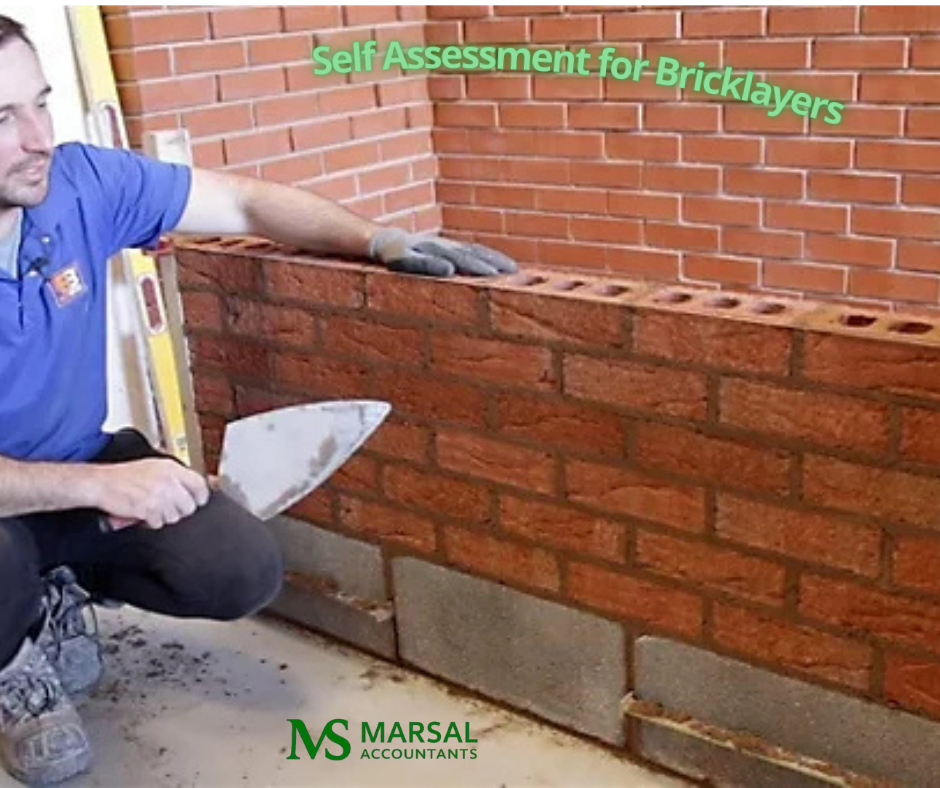
Bricklayers (CIS) Self-Assessment Guide by Marsal Accountants in Paisley

Bricklayers (CIS) Self-Assessment Guide by Marsal Accountants in Paisley

Working as a self-employed bricklayer under the Construction Industry Scheme (CIS) often means tax is deducted before you’re paid.
At Marsal Accountants, based in Paisley and serving
Glasgow and Central Scotland, we help CIS bricklayers prepare and submit their
Self Assessment tax returns accurately, claim all allowable expenses, and recover any refund due.

This guide explains how CIS filing works, what records you need, and how to complete your return correctly.

What Is Self Assessment for CIS Bricklayers?

Self Assessment is HMRC’s system for reporting income and expenses. As a CIS bricklayer, you must report income, expenses, and any CIS tax already deducted.

Why Filing Matters

Even if CIS tax is deducted by contractors, filing ensures:

  • Avoiding late filing penalties
  • Preventing interest on unpaid tax
  • Receiving any CIS tax refund you’re due promptly

Records CIS Bricklayers Should Keep

Income

  • CIS payment statements from contractors
  • Invoices you’ve issued
  • Any private (non-CIS) bricklaying work

Expenses

  • Tools (trowels, levels, brick hammers, mortar boards)
  • Materials (mortar mix, sand, bricks, blocks)
  • Protective clothing (boots, gloves, kneepads)
  • Van or vehicle costs (fuel, insurance, repairs, servicing)
  • Public transport or mileage for work travel
  • Public liability insurance
  • Mobile phone (business use portion)
  • Training and certification (CSCS card)
  • Accountancy fees

Other Helpful Documents

  • CIS deduction statements
  • Receipts and invoices
  • Bank statements
  • Mileage logs (if claiming mileage)

Registering for Self Assessment

  • Register with HMRC as self-employed – provide personal and business details
  • Get your Unique Taxpayer Reference (UTR)
  • Set up a Government Gateway account for online filing

Filing Your Self Assessment (CIS)

  • Complete SA100 (main tax return) and SA103 (self-employed pages)
  • Enter total income from CIS and private bricklaying work
  • Add all allowable business expenses
  • Include total CIS tax deducted

HMRC calculates if you owe more tax or are due a refund. Filing online is faster and gives extra time compared to paper returns.

Key Deadlines

  • Paper return: 31 October
  • Online return and payment: 31 January

Common Mistakes CIS Bricklayers Make

  • Not keeping CIS deduction statements
  • Forgetting private (non-CIS) jobs as income
  • Not claiming all allowable expenses (tools, materials, vehicle costs)
  • Mixing personal and business spending
  • Missing filing or payment deadlines

CIS Bricklayer Self Assessment – Transparent Monthly Pricing

Bricklayers in Paisley, Glasgow, and
Central Scotland can get professional Self Assessment and accounting support from
Marsal Accountants from £16.75 per month.

This includes preparation of accounts, filing your HMRC return, and year-round support — no hidden fees.

How Marsal Accountants Can Help CIS Bricklayers

  • Review CIS statements and income
  • Ensure all allowable expenses are claimed
  • Complete and file Self Assessment on time
  • Explain everything clearly in English, Urdu, Punjabi, and Hindi

Frequently Asked Questions

Q: Do I still need to file a tax return if CIS tax is already deducted?

Yes. Even if contractors deduct CIS tax, you must still file to declare income, expenses, and CIS deductions.

Q: What expenses can CIS bricklayers claim?

Tools, materials, protective clothing, vehicle expenses, insurance, mileage, training, phone (business portion), and accountancy fees.

Q: When are the Self Assessment deadlines?

Paper returns: 31 October. Online returns and payments: 31 January.

Q: How can Marsal Accountants help CIS bricklayers?

We review CIS statements, prepare accounts, file your Self Assessment, explain everything clearly in English, Urdu, Punjabi, and Hindi, and ensure all allowable expenses and refunds are claimed.
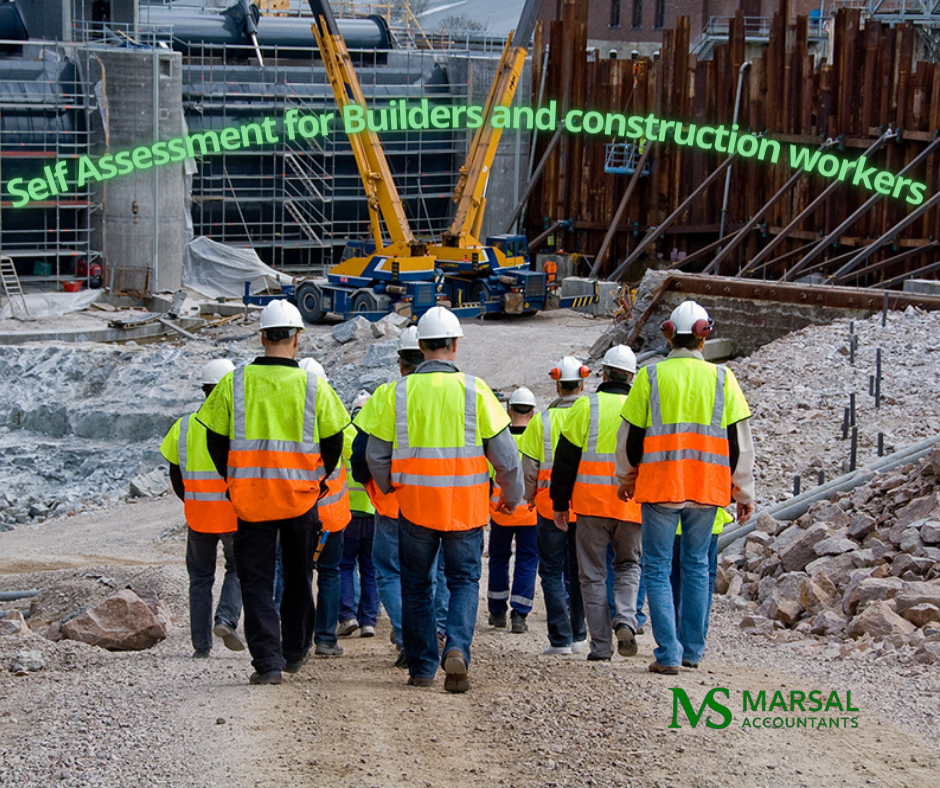
Builders (CIS) Self-Assessment Guide by Marsal Accountants in Paisley

Builder (CIS) Self-Assessment Guide by Marsal Accountants in Paisley

Working as a self-employed builder under the Construction Industry Scheme (CIS) often means tax is deducted before you’re paid.
At Marsal Accountants, based in Paisley and serving
Glasgow and Central Scotland, we help CIS builders prepare and submit their
Self Assessment tax returns accurately, claim all allowable expenses, and recover any refund due.

This guide explains how CIS filing works, what records you need, and how to complete your return correctly.

What Is Self Assessment for CIS Builders?

Self Assessment is HMRC’s system for reporting income and expenses. As a CIS builder, you must report income, expenses, and any CIS tax already deducted.

Why Filing Matters

Even if CIS tax is deducted by contractors, filing ensures:

  • Avoiding late filing penalties
  • Preventing interest on unpaid tax
  • Receiving any CIS tax refund you’re due promptly

Records CIS Builders Should Keep

Income

  • CIS payment statements from contractors
  • Invoices you’ve issued
  • Any private (non-CIS) building work

Expenses

  • Tools and equipment
  • Materials (cement, timber, bricks, aggregates)
  • Protective clothing (boots, gloves, workwear)
  • Van or vehicle costs (fuel, insurance, repairs, servicing)
  • Public transport or mileage for work travel
  • Public liability insurance
  • Mobile phone (business use portion)
  • Training and certification (CSCS card, safety courses)
  • Accountancy fees

Other Helpful Documents

  • CIS deduction statements
  • Receipts and invoices
  • Bank statements
  • Mileage logs (if claiming mileage)

Registering for Self Assessment

  • Register with HMRC as self-employed – provide personal and business details
  • Get your Unique Taxpayer Reference (UTR)
  • Set up a Government Gateway account for online filing

Filing Your Self Assessment (CIS)

  • Complete SA100 (main tax return) and SA103 (self-employed pages)
  • Enter total income from CIS and private building work
  • Add all allowable business expenses
  • Include total CIS tax deducted

HMRC calculates if you owe more tax or are due a refund. Filing online is faster and gives extra time compared to paper returns.

Key Deadlines

  • Paper return: 31 October
  • Online return and payment: 31 January

Common Mistakes CIS Builders Make

  • Not keeping CIS deduction statements
  • Forgetting private (non-CIS) jobs as income
  • Not claiming all allowable expenses (tools, materials, vehicle costs)
  • Mixing personal and business spending
  • Missing filing or payment deadlines

CIS Builder Self Assessment – Transparent Monthly Pricing

Builders in Paisley, Glasgow, and
Central Scotland can get professional Self Assessment and accounting support from
Marsal Accountants from £16.75 per month.

This includes preparation of accounts, filing your HMRC return, and year-round support — no hidden fees.

How Marsal Accountants Can Help CIS Builders

  • Review CIS statements and income
  • Ensure all allowable expenses are claimed
  • Complete and file Self Assessment on time
  • Explain everything clearly in English, Urdu, Punjabi, and Hindi

Frequently Asked Questions

Q: Do I still need to file a tax return if CIS tax is already deducted?

Yes. Even if contractors deduct CIS tax, you must still file to declare income, expenses, and CIS deductions.

Q: What expenses can CIS builders claim?

Tools, materials, protective clothing, vehicle expenses, insurance, mileage, training, phone (business portion), and accountancy fees.

Q: When are the Self Assessment deadlines?

Paper returns: 31 October. Online returns and payments: 31 January.

Q: How can Marsal Accountants help CIS builders?

We review CIS statements, prepare accounts, file your Self Assessment, explain everything clearly in English, Urdu, Punjabi, and Hindi, and ensure all allowable expenses and refunds are claimed.
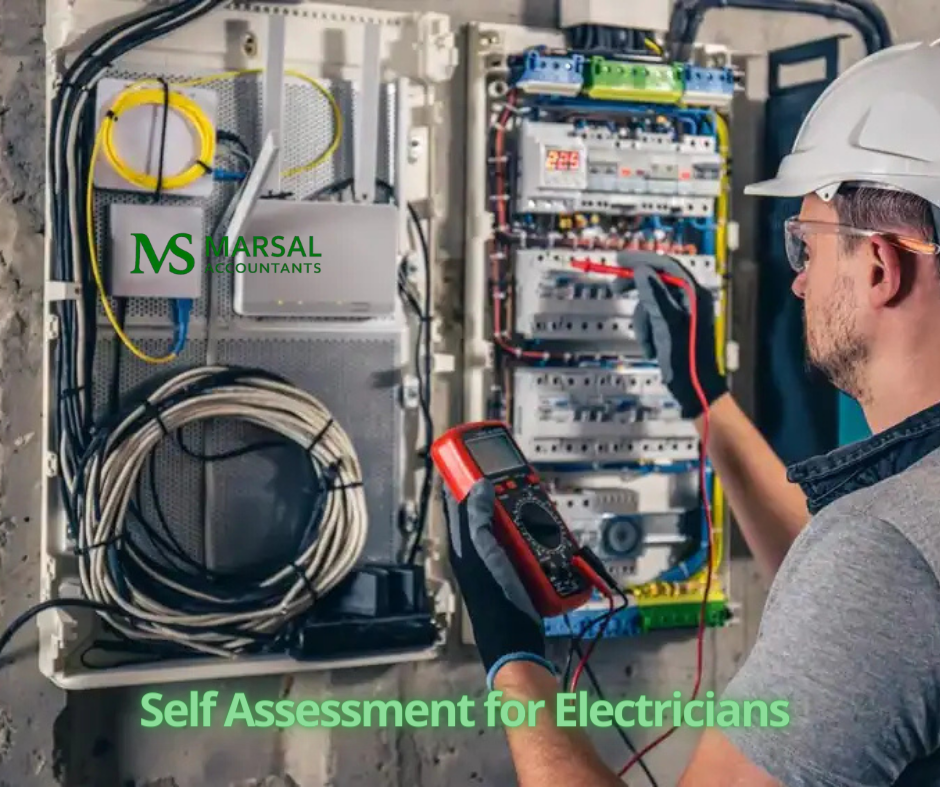
Electricians (CIS) Self-Assessment Guide by Marsal Accountants in Paisley

Electrician (CIS) Self-Assessment Guide by Marsal Accountants in Paisley

Working as a self-employed electrician under the Construction Industry Scheme (CIS) often means tax is deducted before you’re paid.
At Marsal Accountants, based in Paisley and serving
Glasgow and Central Scotland, we help CIS electricians prepare and submit their
Self Assessment tax returns accurately, claim all allowable expenses, and recover any refund due.

This guide explains how CIS filing works, what records you need, and how to complete your return correctly.

What Is Self Assessment for CIS Electricians?

Self Assessment is HMRC’s system for reporting income and expenses. As a CIS electrician, you must report income, expenses, and any CIS tax already deducted.

Why Filing Matters

Even if CIS tax is deducted by contractors, filing ensures:

  • Avoiding late filing penalties
  • Preventing interest on unpaid tax
  • Receiving any CIS tax refund you’re due promptly

Records CIS Electricians Should Keep

Income

  • CIS payment statements from contractors
  • Invoices you’ve issued
  • Any non-CIS private electrical work

Expenses

  • Tools and testing equipment
  • Cables, fittings, and electrical materials
  • Protective clothing (boots, workwear)
  • Van or vehicle costs (fuel, insurance, repairs, servicing)
  • Public transport or mileage for work travel
  • Public liability insurance
  • Mobile phone (business portion)
  • Training and certification (ECS, 18th Edition)
  • Accountancy fees

Other Helpful Documents

  • CIS deduction statements
  • Receipts and invoices
  • Bank statements
  • Mileage logs (if claiming mileage)

Registering for Self Assessment

  • Register with HMRC as self-employed – provide personal and business details
  • Get your Unique Taxpayer Reference (UTR)
  • Set up a Government Gateway account for online filing

Filing Your Self Assessment (CIS)

  • Complete SA100 (main tax return) and SA103 (self-employed pages)
  • Enter total income from CIS and private work
  • Add all allowable business expenses
  • Include total CIS tax deducted

HMRC calculates if you owe more tax or are due a refund. Filing online is faster and gives extra time compared to paper returns.

Key Deadlines

  • Paper return: 31 October
  • Online return and payment: 31 January

Common Mistakes CIS Electricians Make

  • Not keeping CIS deduction statements
  • Forgetting private jobs as income
  • Not claiming all allowable expenses
  • Mixing personal and business spending
  • Missing filing or payment deadlines

CIS Electrician Self Assessment – Clear Monthly Pricing

Most CIS electricians in Paisley, Glasgow, and
Central Scotland pay from £16.75 per month for professional Self Assessment and accounting support from
Marsal Accountants.

This covers preparation of accounts, filing your HMRC return, and year-round support — with no hidden fees.

How Marsal Accountants Can Help CIS Electricians

  • Review CIS statements and income
  • Ensure all allowable expenses are claimed
  • Complete and file Self Assessment on time
  • Explain everything clearly in English, Urdu, Punjabi, and Hindi

Frequently Asked Questions

Q: Do I still need to file a tax return if CIS tax is already deducted?

Yes. Even if contractors deduct CIS tax, you must still file to declare income, expenses, and CIS deductions. This allows HMRC to check if you owe more tax or are due a refund.

Q: What expenses can CIS electricians claim?

Tools, testing equipment, cables and fittings, protective clothing, vehicle costs, insurance, mileage, phone (business portion), training, and accountancy fees.

Q: When are the Self Assessment deadlines?

Paper returns: 31 October. Online returns and payments: 31 January following the end of the tax year.

Q: How can Marsal Accountants help CIS electricians?

We review CIS statements, prepare accounts, file your Self Assessment, explain everything clearly in English, Urdu, Punjabi, and Hindi, and help claim all allowable expenses and refunds.

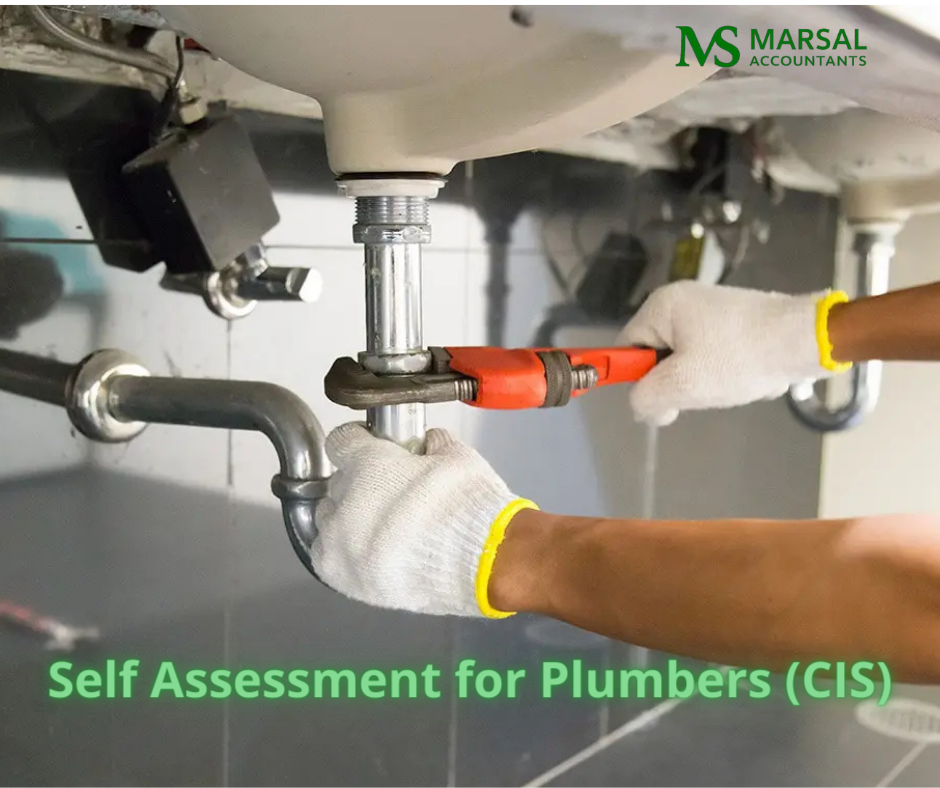
Plumbers (CIS) Self-Assessment Guide by Marsal Accountants in Paisley

Plumber (CIS) Self-Assessment Guide by Marsal Accountants in Paisley

Working as a self-employed plumber under the Construction Industry Scheme (CIS) means tax may be deducted before you’re paid.
At Marsal Accountants, based in Paisley and serving
Glasgow and Central Scotland, we help CIS plumbers prepare and submit their
Self Assessment tax returns accurately, claim all allowable expenses, and get any refund due.

This guide explains CIS filing, the records you need, and how to complete your return correctly.

What Is Self Assessment for CIS Plumbers?

Self Assessment is HMRC’s system for reporting income and expenses. CIS plumbers must report income, expenses, and any CIS tax already deducted.

Why Filing Matters

Even if CIS tax is deducted by contractors, filing ensures:

  • You avoid late filing penalties
  • Interest on unpaid tax is avoided
  • Any CIS tax refund you’re due is processed promptly

Records CIS Plumbers Should Keep

Income

  • CIS payment statements from contractors
  • Invoices issued
  • Any non-CIS private work payments

Expenses

  • Tools and equipment
  • Protective clothing (boots, overalls)
  • Materials and supplies
  • Van costs (fuel, insurance, repairs, servicing)
  • Public transport or mileage for work travel
  • Public liability insurance
  • Mobile phone (business portion)
  • Accountancy fees

Other Helpful Documents

  • CIS deduction statements
  • Receipts and invoices
  • Bank statements
  • Mileage logs (if claiming mileage)

Registering for Self Assessment

  • Register with HMRC as self-employed, providing personal and business details
  • Get your Unique Taxpayer Reference (UTR)
  • Set up a Government Gateway account for online filing

Filing Your Self Assessment (CIS)

  • Complete SA100 (main tax return) and SA103 (self-employed pages)
  • Enter total income from CIS and private jobs
  • Add all allowable business expenses
  • Enter CIS tax already deducted

HMRC will calculate if you owe more tax or are due a refund. Filing online is faster and gives extra time compared to paper returns.

Key Deadlines

  • Paper return: 31 October
  • Online return and payment: 31 January

Common Mistakes CIS Plumbers Make

  • Not keeping CIS deduction statements
  • Forgetting private jobs as income
  • Not claiming all allowable expenses
  • Mixing personal and business spending
  • Missing filing or payment deadlines

CIS Plumber Self Assessment – Clear Monthly Pricing

Most CIS plumbers in Paisley, Glasgow, and
Central Scotland pay from £16.75 per month for professional Self Assessment and accounting support from
Marsal Accountants.

This covers preparation of accounts, filing your HMRC return, and year-round support — with no hidden fees.

How Marsal Accountants Can Help CIS Plumbers

  • Review CIS statements and income
  • Ensure all allowable expenses are claimed
  • Complete and file Self Assessment on time
  • Explain everything clearly in English, Urdu, Punjabi, and Hindi

Frequently Asked Questions

Q: Do I still need to file a tax return if CIS tax is already deducted?

Yes. You must still file to declare income, expenses, and CIS deductions. This allows HMRC to check if you owe more tax or are due a refund.

Q: What expenses can CIS plumbers claim?

Tools, materials, protective clothing, van costs, insurance, mileage, phone (business portion), and accountancy fees.

Q: When are the Self Assessment deadlines?

Paper returns: 31 October. Online returns and payments: 31 January following the end of the tax year.

Q: How can Marsal Accountants help CIS plumbers?

We review CIS statements, prepare your accounts, file your Self Assessment, explain everything in English, Urdu, Punjabi, and Hindi, and help claim all allowable expenses and refunds.

Takeaway and Restaurant Owners Self-Assessment Guide by Marsal Accountants in Paisley

Takeaway & Restaurant Owner Self-Assessment Guide by Marsal Accountants in Paisley

Running a takeaway, fast food shop, diner, or restaurant is rewarding—but it also comes with tax responsibilities.
At Marsal Accountants, based in Paisley and serving
Glasgow and Central Scotland, we help restaurant and takeaway owners
prepare and submit their Self Assessment tax returns accurately and on time.

This guide explains what records to keep, how to file your return, and how to avoid common mistakes that could cost you money or time.

What Is Self Assessment?

Self Assessment is HMRC’s system for reporting income and expenses. As a takeaway or restaurant owner, you must report all business income and allowable expenses each year to pay the correct tax.

Why Filing Matters

Filing your Self Assessment correctly avoids fines and ensures your business operations stay smooth and stress-free.

Records Restaurant Owners Should Keep

  • Income: sales, catering orders, delivery fees, tips
  • Expenses: food supplies, packaging, staff wages, rent, utilities, insurance, cleaning, advertising, delivery costs, equipment
  • Other helpful documents: receipts, invoices, payroll records, bank statements

Registering for Self Assessment

You must register with HMRC before your first filing. Registration can be completed online via the HMRC website.

Filing Your Self Assessment (SA100 + SA103)

Most restaurant owners complete the SA100 individual tax return and the SA103 self-employment/business pages. Make sure all income and expenses are accurately recorded.

Deadlines

  • Paper return: 31 October
  • Online filing and payment: 31 January

Common Mistakes Restaurant Owners Make

  • Forgetting to include cash sales
  • Mixing personal and business expenses
  • Missing deadlines

Takeaway & Restaurant Owner Self Assessment – Clear Monthly Pricing

Most takeaway and restaurant owners in Paisley, Glasgow, and
Central Scotland pay from £16.75 per month for professional Self Assessment and accounting support from
Marsal Accountants.

This covers preparation of your accounts, submission of your HMRC return, and year-round support — with no hidden fees.

How Marsal Accountants Can Help Restaurant Owners

Marsal Accountants support restaurant and takeaway owners across Paisley, Glasgow, and Central Scotland
with reliable, clear, and affordable accounting services.

  • Preparation of accurate accounts
  • On-time Self Assessment filing
  • Clear explanations in English, Urdu, Punjabi, and Hindi
  • Maximising allowable expenses

Frequently Asked Questions

Q: Do I need to include cash sales?

Yes. All sales, including cash, must be included as income on your tax return.

Q: Can I claim packaging costs?

Yes, as long as they are used for business purposes.

Q: Can I claim staff wages?

Yes. Wages and NI contributions are allowable business expenses.

Q: How can Marsal Accountants help?

We prepare your accounts, file your Self Assessment, explain everything in English, Urdu, Punjabi, and Hindi, and help you claim all allowable expenses.

Delivery Drivers Self-Assessment Guide by Marsal Accountants in Paisley

Delivery Driver Self-Assessment Guide by Marsal Accountants in Paisley

Working as a self-employed delivery driver for platforms like Uber Eats,
Just Eat, and Deliveroo offers flexibility—but it also comes with tax responsibilities.
At Marsal Accountants, based in Paisley and serving
Glasgow and Central Scotland, we help delivery drivers prepare and submit their
Self Assessment tax returns accurately and on time.

This step-by-step guide explains what Self Assessment is, the records you need, and how professional support can save you time, money, and stress.

What Is Self Assessment for Delivery Drivers?

Self Assessment is HMRC’s system for reporting income and expenses if you’re self-employed.
Delivery drivers are responsible for completing their annual tax return to ensure they pay the correct amount of tax.

Why Filing Matters

Failing to file on time can lead to:

  • Late filing penalties
  • Interest on unpaid tax
  • Complications with HMRC that could affect your work

Filing correctly ensures you claim all allowable expenses and only pay what you owe.

Records Delivery Drivers Should Keep

Income Records

  • Delivery fees (base pay)
  • Boosts, incentives, and bonuses
  • Cash and card tips

Allowable Expenses

  • Fuel (for car or motorbike)
  • Vehicle or bike insurance
  • Repairs, servicing, tyres, chain, brakes
  • Protective gear and delivery bags
  • Business-use portion of phone and data plan
  • Parking, tolls, congestion charges
  • Cycle maintenance and parts (if applicable)

Other Supporting Documents

  • Receipts and invoices
  • Mileage or journey logs
  • Bank statements (including platform payouts)

Mileage vs Actual Costs

You can usually choose between claiming mileage (fixed rate per business mile)
or actual costs (fuel, repairs, insurance, etc.). Pick the method that gives the best legitimate deduction and keep consistent records.

Registering for Self Assessment

  • Register with HMRC – Provide personal and business details.
  • Get your Unique Taxpayer Reference (UTR) – A 10-digit number for your tax account.
  • Set up a Government Gateway account – Required for online filing.

Filing Your Self Assessment Return

Most delivery drivers complete the SA100 (main tax return) and SA103 (self-employed pages).

  • Enter all income from deliveries, incentives, and tips
  • Claim all allowable business expenses
  • HMRC calculates your tax automatically

Filing online is faster and gives you extra time compared to paper submissions.

Key Deadlines to Remember

  • Paper return: 31 October
  • Online return: 31 January
  • Tax payment: 31 January

Common Mistakes Delivery Drivers Make

  • Forgetting to include cash tips
  • Not claiming mileage or under-claiming expenses
  • Mixing personal and business costs
  • Leaving filing until the last minute

Delivery Driver Self Assessment – Clear Monthly Pricing

Most delivery drivers in Paisley, Glasgow, and
Central Scotland pay from £16.75 per month for professional
Self Assessment and accounting support from Marsal Accountants.

This includes preparation of your accounts, filing your HMRC return, and ongoing support — with no hidden fees.

How Marsal Accountants Can Help Delivery Drivers

Marsal Accountants support delivery drivers across Paisley, Glasgow, and Central Scotland
with reliable, clear, and affordable accounting services.

  • Preparation of accurate accounts
  • On-time Self Assessment filing
  • Clear advice in English, Urdu, Punjabi, and Hindi
  • Maximising allowable expenses, including mileage or actual costs

Frequently Asked Questions

Q: Do delivery drivers need to include cash tips as income?

Yes, all tips—cash and card—must be declared as income on your tax return.

Q: Can I claim mileage instead of actual fuel and repair costs?

Usually yes. Track your journeys carefully and choose the method that gives the best legitimate deduction.

Q: What expenses can delivery drivers claim?

Fuel, insurance, vehicle or bike maintenance, delivery bags, phone/data (business portion), parking, tolls, congestion charges, and protective gear.

Q: When are the Self Assessment deadlines?

Paper returns: 31 October. Online returns and tax payments: 31 January.